There’s a version of the dog-friendly yard that gets recommended constantly and doesn’t survive contact with an actual dog: plant a nice lawn, put in some shrubs, hope for the best. Six months later there’s a bare racetrack along the fence, a mud pit at the back door, and a hole under the deck.
The yards that work are designed around what dogs actually do rather than around stopping them. Dogs patrol boundaries, they follow the same routes every day, they dig when they’re hot or bored, and they concentrate wear in exactly the places you’d predict if you watched them for a week. Design for those behaviors and the yard holds up. Fight them and you’re replacing sod every spring.
Thunderbird Design builds a lot of yards for households with dogs, and the pattern is consistent: the successful ones made a few structural decisions early rather than a lot of corrective ones later. Here’s the whole-yard version — surfaces, planting, layout, and the Colorado-specific hazards worth knowing about.
Design Around the Racetrack, Don’t Fight It
Nearly every dog with yard access establishes a patrol route, usually along the fence line and almost always with a hard turn at the corners. It’s the single most predictable wear pattern in residential landscaping, and no grass variety survives it.
Two approaches work, and they can be combined:
Give the route a real surface. Build the path the dog has already chosen — a perimeter path of crusher fines, decomposed granite, or stepping stones set into the route. You get a defined edge, no mud, and a path you can actually use for access. It reads as intentional because it is.
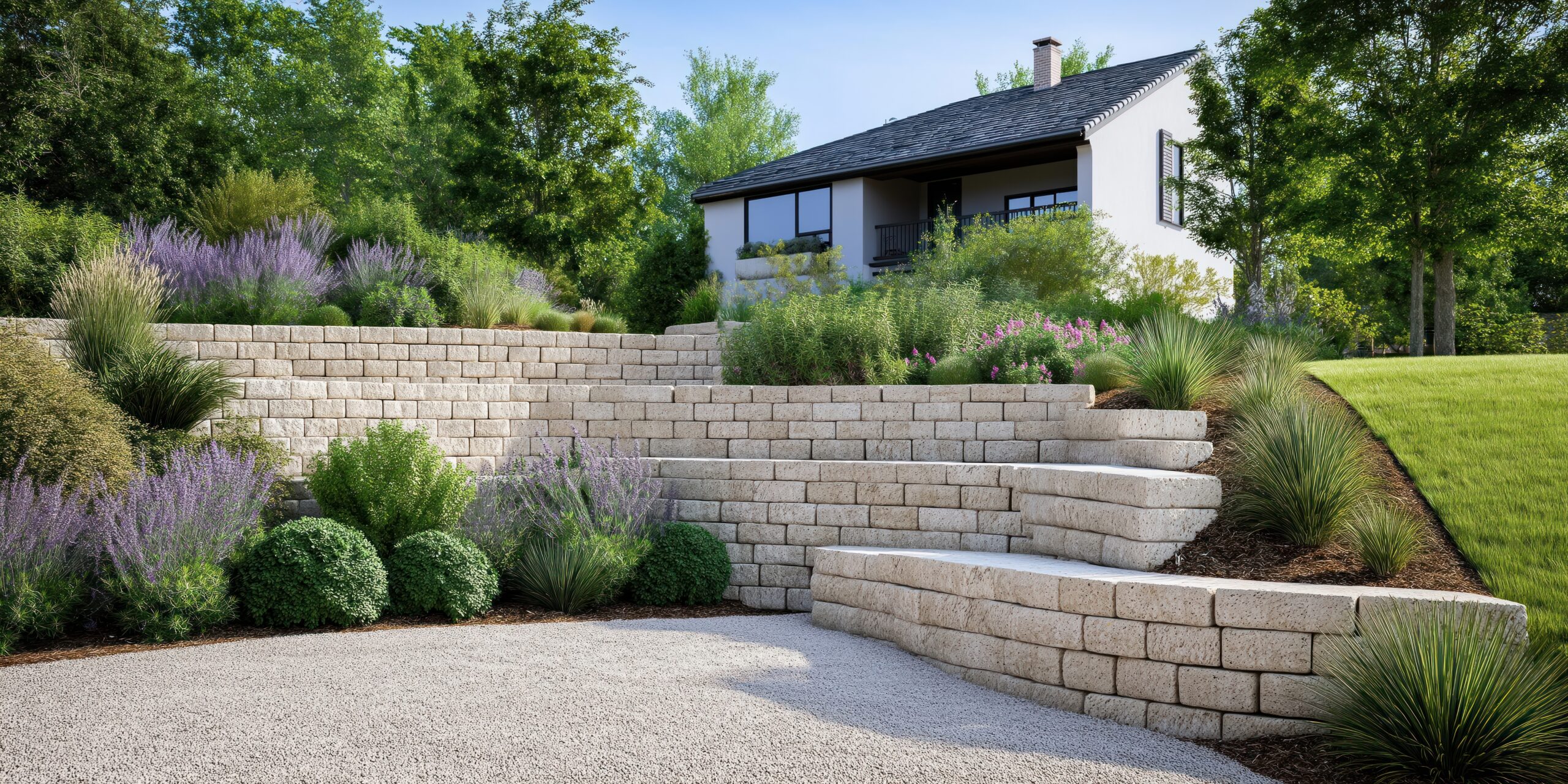
Push the route inward with a planted buffer. A planting bed two to four feet deep along the fence moves the run inside the planting rather than against the fence, which protects both the fence and the plants. Use tough, resilient shrubs and grasses that tolerate being brushed past, and avoid anything thorny or brittle on the dog side.
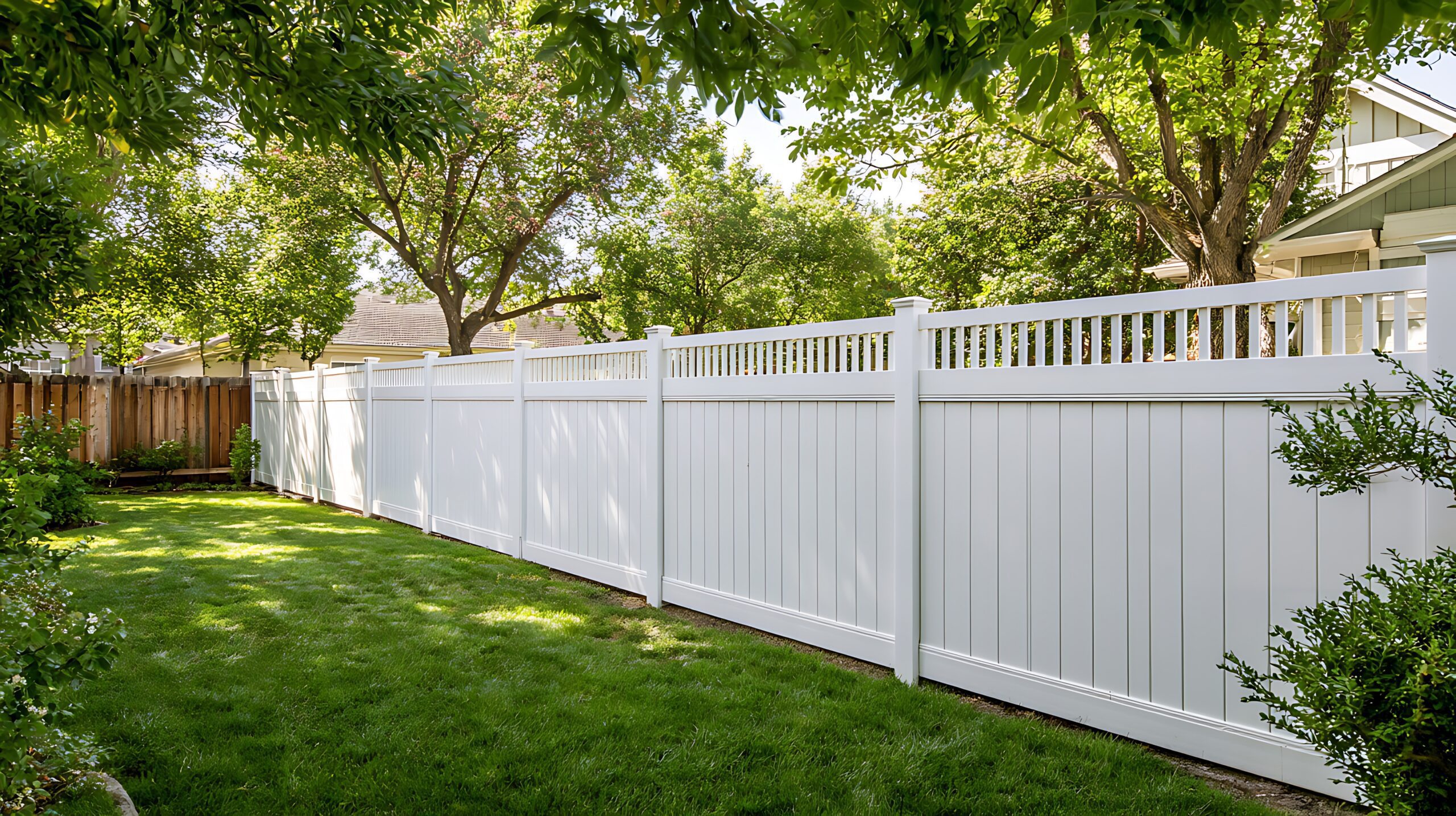
One behavioral note worth knowing: dogs patrol harder when they can see through the fence. A solid privacy fence typically reduces fence-line reactivity compared to chain link or gaps, though it also removes the stimulation some dogs want. A small acrylic viewing window in a solid fence gives an anxious dog a sightline without a hundred feet of trigger.
The Mud Problem Is a Traffic Problem
Denver’s clay soils compact under repeated traffic, and compacted clay doesn’t drain or grow grass. That’s the whole mechanism: paws compact the soil, the turf thins, water sits, and the bare spot becomes mud that gets tracked inside.
The fix is rarely more grass. It’s distributing traffic, giving the heavy-use areas a hard surface, and making sure water leaves the yard rather than pooling in the worn spots. If your yard holds water after every storm, that’s worth addressing before you choose surfaces at all — our guide to drainage on Denver clay soil covers how that’s actually solved here.
The highest-traffic zones in a dog yard are predictable: the back door, the gate, the fence corners, the spot with the best view of the street, and wherever the dog waits for you. Those are the places to put something other than lawn.
Choosing Surfaces
Kentucky bluegrass is genuinely good for moderate dog traffic. It spreads by rhizomes, which means it repairs itself from the edges of a damaged area rather than needing reseeding. It needs water, recovery time, and enough area that traffic isn’t concentrated. In a small yard with two large dogs, it will lose.
Crusher fines and decomposed granite work well for paths and perimeter routes. They drain, don’t hold odor, and pack down into a firm surface. They track a little, and light-colored material gets warm in full sun.
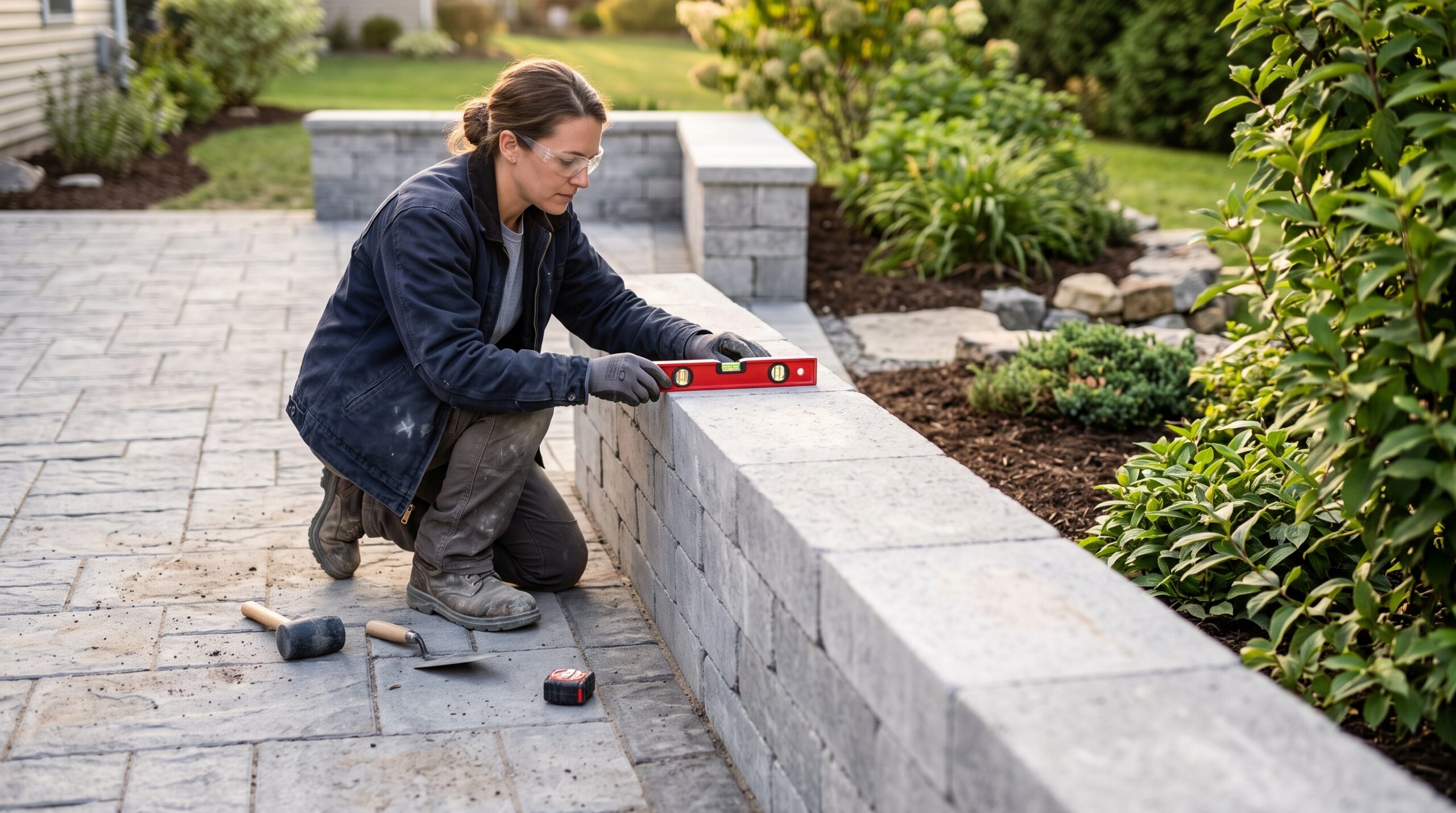
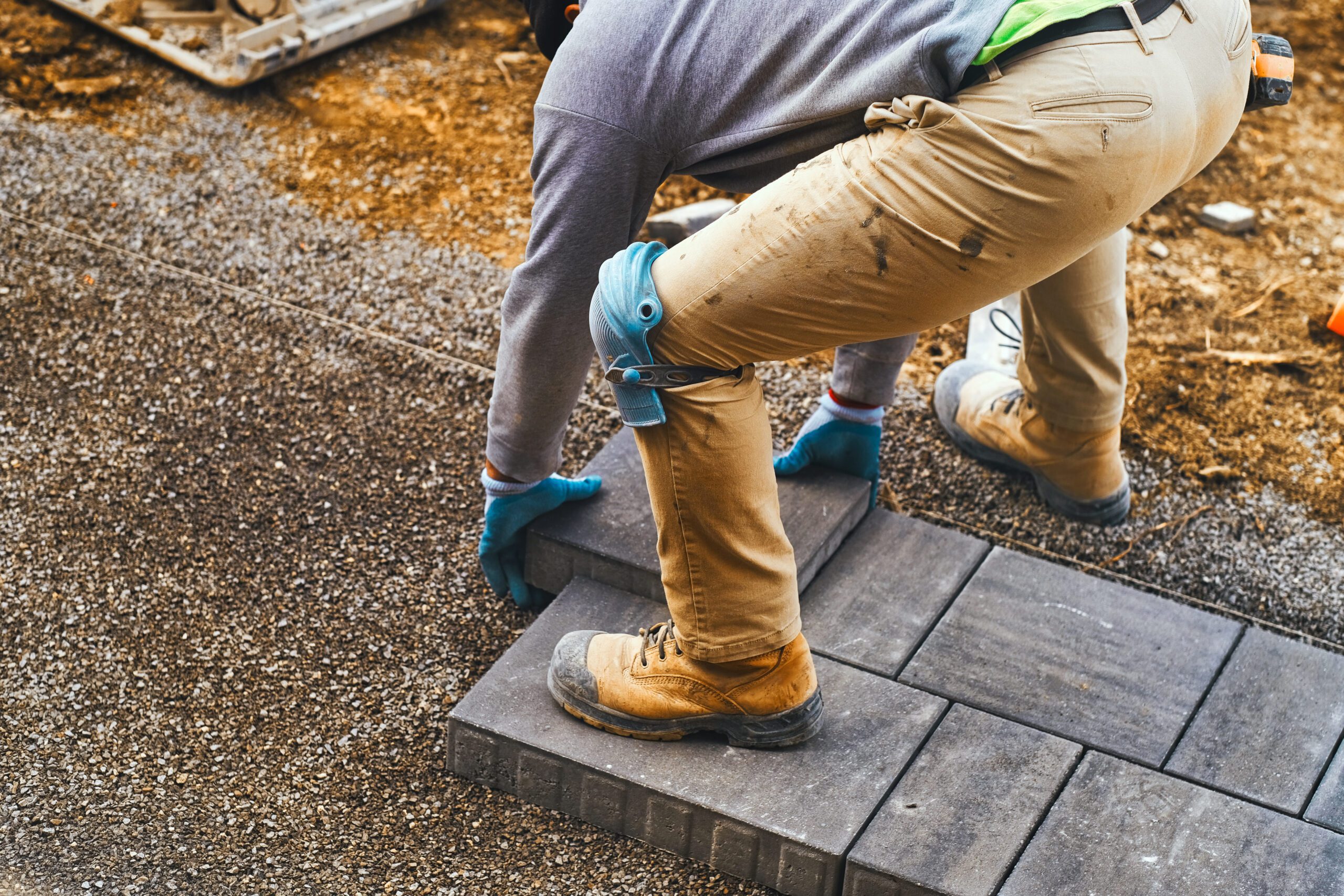
Flagstone and pavers are the most durable option for patios and high-traffic zones, with the caveat that dark stone gets hot enough to be uncomfortable on paws in July. Our hardscaping work covers patios and paths built to handle real traffic.
Pea gravel is popular and usually a mistake in dog yards. Rounded stone shifts underfoot, lodges in paws, and gets scattered everywhere. Angular material stays put.
Mulch requires specific choices. Shredded cedar and other fine shredded barks are reasonable. Large bark nuggets get chewed and can cause obstruction. Cocoa shell mulch should never be used where dogs have access — it contains the same compounds that make chocolate toxic. Rubber mulch gets very hot and gets eaten.
Artificial turf solves mud completely and is genuinely the right answer for some yards — small spaces, heavy shade, multiple large dogs, or areas where nothing else has worked. It has real tradeoffs too, including surface heat. We cover the installation side in depth in our guide to artificial turf installation, and the pet-specific product decisions in pet-friendly artificial turf.
Urine Damage and Relief Areas
The brown spots are nitrogen burn. Dog urine is concentrated nitrogen, and at high concentration it kills grass the same way spilled fertilizer does — the ring of dark green around a dead center is the tell, since the diluted edge acts as fertilizer.
What actually helps: water. Rinsing the spot shortly after dilutes the nitrogen below the damage threshold. What doesn’t help, despite being sold constantly: gypsum and most soil-amendment products marketed for urine spots. The problem is concentration, not soil chemistry.
The design solution is a dedicated relief area — a defined spot with a free-draining surface, ideally near the door and screened visually if you care about that. Dogs are trainable to a surface, and concentrating use in one manageable area beats distributing damage across the whole lawn. Give it good drainage and a hose bib within reach.
Plants to Avoid in Colorado Dog Yards
Most toxic-plant lists are written nationally and include a lot of species that aren’t hardy here. These are the ones that actually get planted in Denver landscapes and are worth avoiding or siting carefully where dogs go:
- Yew (Taxus) — hardy, common in foundation plantings, and seriously toxic
- Foxglove, monkshood, delphinium and larkspur — all common perennial-border plants
- Lily of the valley
- Autumn crocus (Colchicum)
- Daffodil, tulip, and hyacinth bulbs, which dogs sometimes dig and chew
- Castor bean, occasionally grown as an annual accent
Two hazards specific to the Front Range that most lists miss:
Puncturevine, also called goathead. The seed pods are rigid spines that embed in paw pads. It thrives in disturbed, dry, sunny ground across the metro. Pull it before it sets seed, because the seeds remain viable in soil for years.
Cheatgrass and other awned grasses. The barbed seed heads work into paws, ears, and noses, and they migrate inward rather than backing out. Keeping weedy grass areas mowed or eliminated through the early-summer seed window matters more than most people realize.
Also worth flagging: compost piles can produce mold byproducts that are toxic to dogs, and standing water features can develop algae. Both are manageable with access control rather than elimination.
Layout Decisions That Do the Most Work
Shade, deliberately placed. At Denver’s altitude and sun intensity, a yard with no shade is unusable for a dark-coated dog in July. Trees, a pergola, or a covered area near the relief zone all matter more than the plant list does.
A dig zone. If your dog digs, giving them a sanctioned spot — a loose sand or soil area, ideally with things buried in it occasionally — redirects the behavior far more reliably than trying to suppress it. Digging is usually about heat or boredom, so shade and enrichment address the cause.
Dig-proof fence lines. A gravel or paver strip along the base of the fence, or buried hardware cloth turned outward in an L, stops undermining. Doing this during construction costs a fraction of retrofitting it.
Protected irrigation. Dogs chew exposed drip tubing and emitters, and they’ll find the one leaking head. Bury lateral lines, protect emitters in beds, and expect to check the system more often than a dog-free yard would require. An irrigation system designed for a dog yard should also keep the heavy-traffic zones on their own zone, since worn turf needs different water than the rest.
Sightlines from the house. Being able to see the dog from a kitchen window is a real quality-of-life feature and it affects where you put screening.
Water-Wise Planting Still Works
A dog yard doesn’t have to be a lawn. Many of the tough, adapted plants used in water-wise landscape design handle traffic and abuse well — ornamental grasses, shrubby natives, and mass plantings of resilient perennials. The principle is the same either way: mass planting outperforms individual specimens in a dog yard, because a dense planting reads as a barrier and a lone shrub reads as an obstacle to run around.
Avoid delicate, brittle, or thorny material anywhere along a run. Save the precious specimens for beds the dog doesn’t have access to, which is itself a legitimate design move — a fenced or raised garden area within the yard is often the most practical way to have both.
Common Mistakes
- Reseeding the same bare racetrack every spring instead of surfacing it
- Choosing pea gravel for paths
- Using cocoa mulch or large bark nuggets
- Putting the relief area far from the door, where it won’t get used
- Planting a thin, single-row screen along a fence a dog patrols
- Assuming artificial turf is odor-proof by default — infill choice and rinsing determine that
- Skipping drainage work and then replacing sod annually
- Building the patio before figuring out where the dog actually travels
Several of these overlap with the broader landscaping mistakes Colorado homeowners make, but the dog-specific ones tend to be expensive because they repeat every year.
Frequently Asked Questions
What’s the best ground cover for dogs in Denver?
It depends on the area. Kentucky bluegrass handles moderate traffic and self-repairs, crusher fines work well for paths and patrol routes, flagstone or pavers handle the heaviest zones, and artificial turf solves mud in small or shaded yards. Most good dog yards use two or three surfaces rather than one.
How do I stop my dog from making a muddy path along the fence?
Stop trying to grow grass there. Either give the route a durable surface like crusher fines or stepping stones, or install a planting buffer that shifts the run inward. The route exists because of behavior, not because of the grass.
Why does dog urine kill grass, and what actually fixes it?
It’s nitrogen concentration, not acidity. Rinsing the area with water shortly afterward dilutes it below the damage threshold. Soil amendments sold for this generally don’t work, because the soil isn’t the problem.
Which common Colorado landscape plants are toxic to dogs?
Yew is the one most often planted here and is seriously toxic. Foxglove, monkshood, delphinium and larkspur, lily of the valley, autumn crocus, and spring bulbs are also worth siting away from dog access. Puncturevine and awned grasses like cheatgrass are physical hazards specific to this region.
Is artificial turf a good idea for dogs?
Sometimes. It’s the right answer for small yards, deep shade, multiple large dogs, or chronic mud. It also gets hot in Colorado sun and requires a rinsing and infill routine to stay odor-free. It’s a good solution to a specific problem rather than a default.
How do I keep my dog from digging under the fence?
A gravel or paver strip along the fence base, or buried hardware cloth bent outward in an L shape. Addressing the cause helps too — most digging is heat-driven or boredom-driven, so shade and a sanctioned dig area reduce the behavior substantially.
Can I have a nice-looking yard with big dogs?
Yes, but it needs to be designed rather than assembled. The yards that fail are the ones where surfaces, layout, and planting were chosen without reference to how the dog uses the space.
Build It for the Dog You Have
The best dog yards we’ve built weren’t compromises. They had good hardscape, real planting, and a clear structure — they just accounted for a patrol route, a shaded resting spot, a durable path, and a relief area from the beginning, instead of discovering all four the hard way.
If you’re tired of reseeding the same strip of dirt, get in touch and we’ll walk the yard with you. The wear patterns tell us most of what the design needs to do.