If you’re planning a landscaping project in Denver and hoping to enjoy it by summer, timing is everything—and waiting too long is one of the most common (and costly) mistakes homeowners make. At Thunderbird Design, we regularly speak with homeowners in late spring who are surprised to learn that the best contractors are already booked weeks—or even months—in advance. Understanding the Denver landscaping timeline is critical if you want your project completed and ready to enjoy during peak outdoor season.
Denver’s landscaping season is relatively short compared to other regions. Weather delays, high demand, and the complexity of modern outdoor projects all contribute to longer lead times. According to industry data from the National Association of Landscape Professionals, spring and early summer are the busiest periods for contractors nationwide, with demand often exceeding availability. In a fast-growing market like Denver, that demand is even more pronounced.
Booking early is not just about securing a spot—it’s about giving your project the time it needs to be designed, planned, and executed properly. Rushed projects often lead to compromises in design, materials, or scheduling, which can impact the final result.
Why Timing Matters More in Denver
Denver’s climate and construction season create a unique window for landscaping work. While spring marks the start of the season, weather conditions can still be unpredictable, with late snowstorms and temperature swings affecting timelines. By the time consistent warm weather arrives, contractor schedules are already filling up quickly.
This compressed season means that homeowners who wait until late spring or early summer to start planning often face limited availability. In many cases, projects are pushed into late summer or even fall, missing the opportunity to fully enjoy the space during the best months of the year.
Another factor is project complexity. Modern landscaping projects in Denver often include outdoor living features, irrigation systems, lighting, and custom hardscaping. These elements require coordination, permitting (in some cases), and material sourcing—all of which take time. Many of these components fall under comprehensive landscaping services that require careful planning and scheduling.
Ideal Booking Timeline for Summer Landscaping Projects
To ensure your project is completed in time for summer use, it’s important to work backward from your desired completion date. The earlier you start, the more flexibility and control you’ll have throughout the process.
A typical timeline looks like this:
- January–February: Initial research, inspiration gathering, and reaching out to contractors
- February–March: Scheduling consultations and beginning the design process
- March–April: Finalizing designs, selecting materials, and securing your place on the schedule
- April–June: Project installation and construction phase
Homeowners who begin this process in winter or early spring are far more likely to have their projects completed by early summer. Waiting until April or May to contact a landscape contractor in Denver often means limited scheduling options and delayed start dates.
Thunderbird Design encourages early outreach, even if your ideas are still taking shape. Starting the conversation early provides valuable insight and helps align expectations with realistic timelines. Reviewing past projects in the Thunderbird Design portfolio can also help homeowners refine their ideas early in the process.
What Happens If You Wait Too Long
Delaying the booking process can lead to several challenges that impact both timing and project quality. By late spring, many contractors are operating at full capacity, leaving little room for new projects.
Homeowners who wait may experience:
- Limited availability with preferred contractors
- Compressed design timelines that reduce customization
- Delayed project start dates extending into late summer or fall
In some cases, rushing to secure a contractor can lead to settling for less experienced providers or making quick decisions without fully exploring options. This can affect not only the outcome of the project but also the overall experience.
Planning ahead allows you to choose the right contractor, refine your design, and move forward with confidence rather than urgency.
How Contractor Availability Works in Denver
Landscape contractors in Denver typically schedule projects weeks or months in advance, especially during peak season. Availability is influenced by several factors, including project size, crew capacity, and weather conditions.
Larger, more complex projects often require more time and coordination, which means they are scheduled earlier in the season. Smaller projects may have more flexibility, but they are still subject to overall demand.
It’s also important to understand that contractor schedules are dynamic. Weather delays, material availability, and project changes can all impact timelines. Booking early provides a buffer that helps accommodate these variables without significantly affecting your completion date.
Thunderbird Design prioritizes clear communication around scheduling, helping homeowners understand where their project fits within the broader timeline.
Planning Ahead Leads to Better Results
Early planning is not just about securing a spot—it directly impacts the quality of your project. When you allow adequate time for design and decision-making, you’re more likely to achieve a result that aligns with your vision.
With more time, homeowners can:
- Explore a wider range of design options
- Select materials without supply pressure
- Make informed decisions without rushing
This leads to a more cohesive and intentional design, rather than a project driven by time constraints.
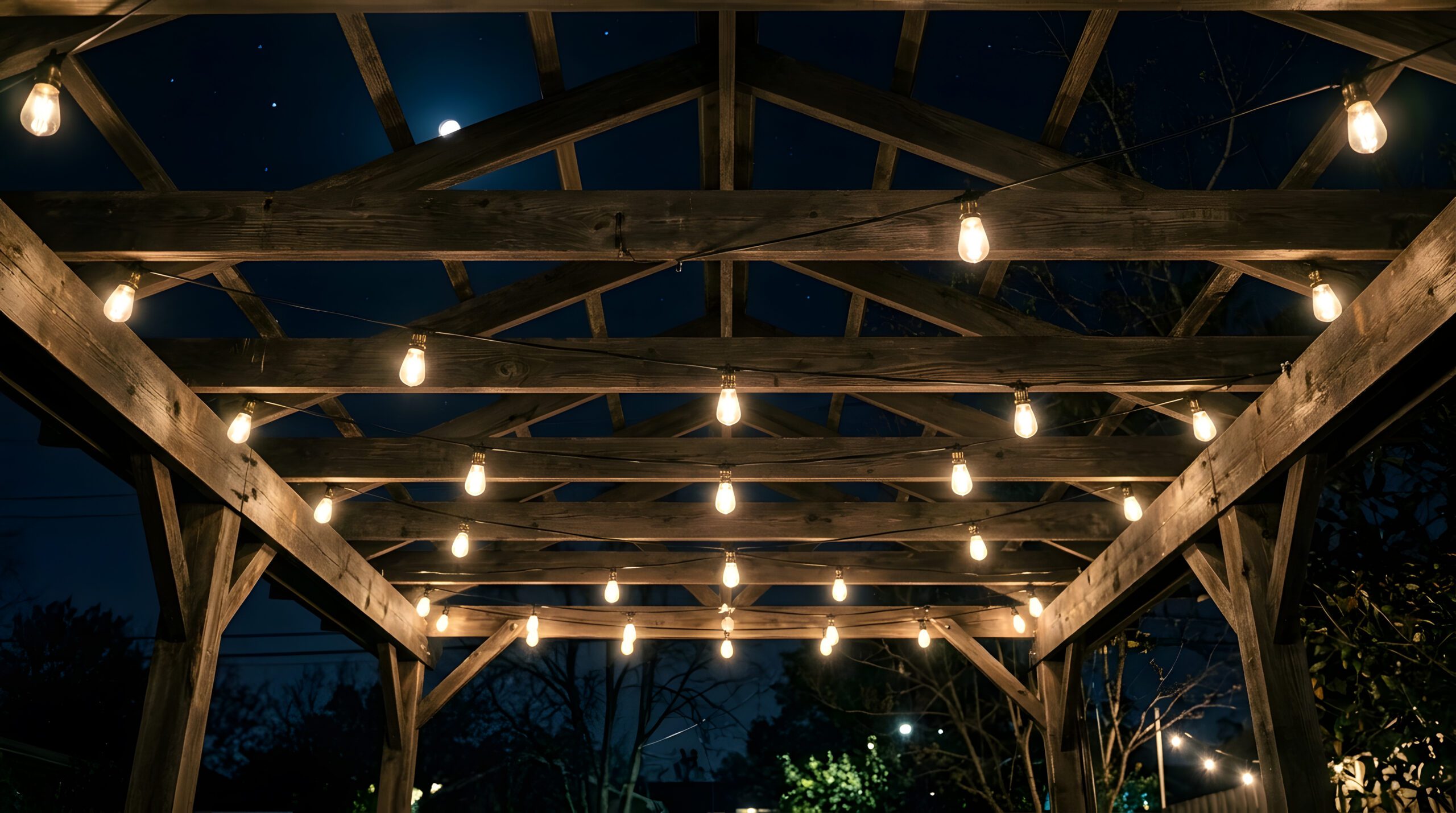
In Denver, where outdoor living is a major lifestyle component, taking the time to plan properly can make a significant difference in how the space is used and enjoyed. Features like stone patios, lighting, and outdoor gathering spaces often benefit from extended planning time.
Signs It’s Time to Contact a Landscape Contractor
If you’re unsure whether it’s the right time to start the process, there are a few clear indicators that you should reach out sooner rather than later.
If you want to enjoy your outdoor space by summer, the planning process should already be underway by late winter or early spring. Even if you’re still refining your ideas, starting the conversation early gives you access to professional guidance and realistic timelines.
Other signs include noticing wear or inefficiencies in your current landscape, wanting to upgrade functionality, or simply feeling ready to invest in your outdoor space. Many homeowners also consider improvements like outdoor fireplaces and fire pits to extend usability throughout the season.
Frequently Asked Questions About Booking a Landscaper in Denver
When should I book a landscape contractor in Denver?
Ideally, between January and March for summer projects.
How far out are contractors usually booked?
During peak season, many are booked several weeks to months in advance.
Can I still get a project done if I start late?
Possibly, but it may be delayed into late summer or fall, depending on availability.
Does early booking cost more?
No. In fact, early planning can help avoid rushed decisions and unexpected costs.
What’s the first step in the process?
Scheduling a consultation to discuss goals, timeline, and design possibilities.
If you’re aiming to enjoy a fully completed outdoor space during Denver’s best months, the time to act is earlier than most homeowners expect. Thunderbird Design helps clients navigate the Denver landscaping timeline with clarity and confidence, ensuring that projects are thoughtfully planned and executed without unnecessary delays. By starting early and securing your place on the schedule, you can move into summer with a space that’s ready to be used, enjoyed, and appreciated from day one.