Snow melt and refreeze cycles are one of the most hazardous winter conditions for commercial properties in Denver. Even when snowfall appears to be clearing, temperature fluctuations can turn melted snow into sheets of invisible ice overnight. Ongoing ice management commercial services are essential during these cycles to prevent accidents, reduce liability, and maintain safe property access.
In Denver’s climate, daytime sun exposure often causes snow to melt, while nighttime temperatures drop below freezing. Without professional deicing services, Denver businesses rely on, surfaces can refreeze quickly and unpredictably.
What Is a Snow Melt and Refreeze Cycle?
A snow melt refreeze cycle occurs when accumulated snow melts during warmer daytime temperatures and then freezes again as temperatures fall. This cycle creates thin, hard layers of ice that are more dangerous than freshly fallen snow.
Unlike active snowfall events, melt-refreeze hazards are often underestimated because conditions initially appear manageable.
These cycles are common in Denver due to:
- High elevation sun exposure
- Large daily temperature swings
- South-facing pavement melts during the day
- Overnight temperature drops below 32°F
The result is hidden ice formation across parking lots, sidewalks, loading docks, and entryways.
Why Melt and Refreeze Is More Dangerous Than Active Snowfall
Active snowfall is visible and predictable. Refrozen surfaces are not.
Refreeze conditions create:
- Black ice in shaded areas
- Icy patches beneath melted snow piles
- Slippery pedestrian walkways
- Hardened slush at parking lot entrances
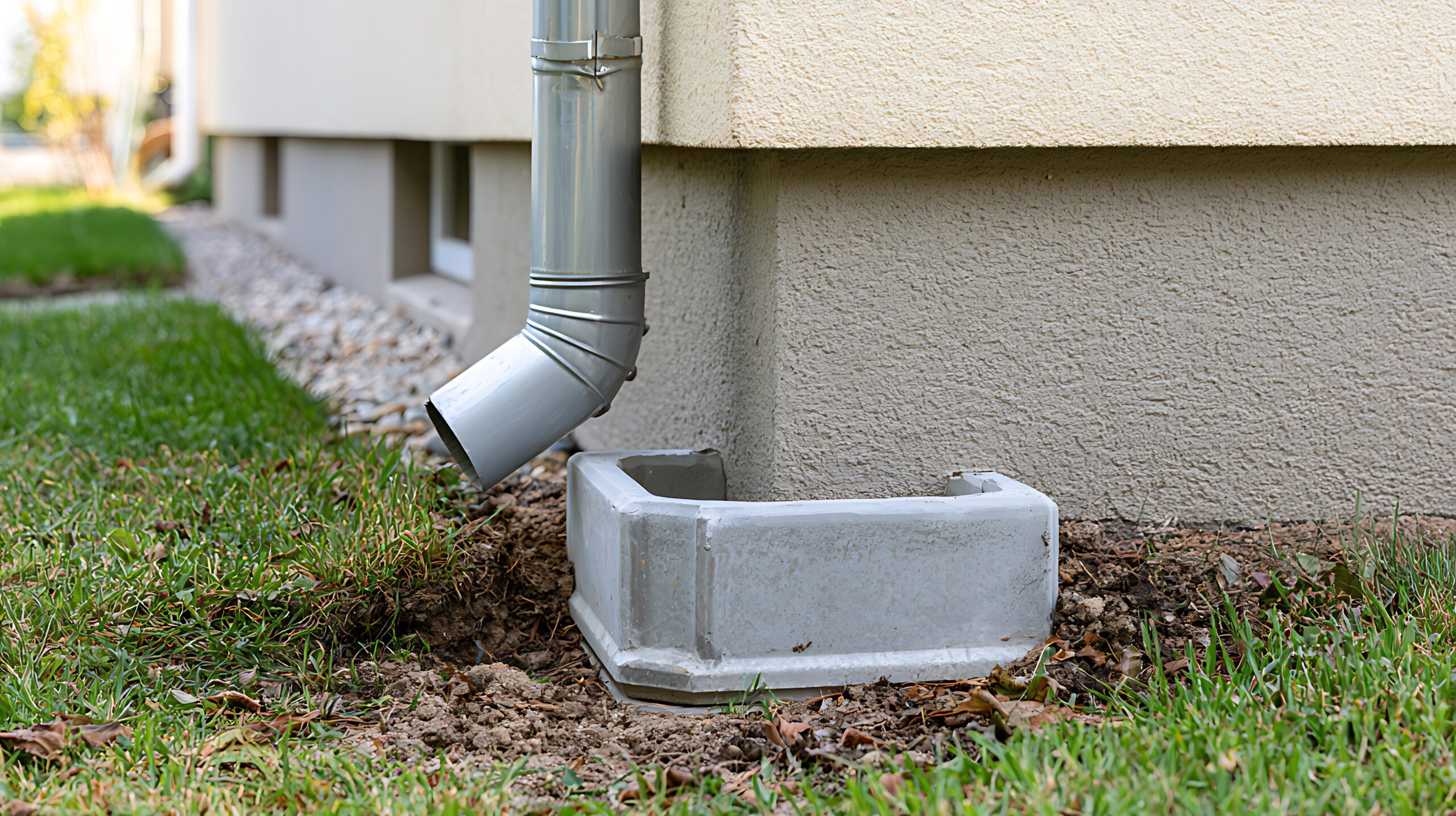
- Refrozen runoff from roofs and downspouts
Slip-and-fall incidents often increase during thaw-and-freeze cycles because surfaces look clear but remain hazardous.
High-Risk Areas During Refreeze Conditions
Certain areas of commercial properties are especially vulnerable:
- North-facing sidewalks
- Areas shaded by buildings
- Drainage low points
- ADA ramps
- Loading docks
- Stairways
- Building entrances
Roof melt runoff that drains onto pavement frequently refreezes at night.
Effective ice management commercial programs identify and monitor these areas consistently.
Why One-Time Plowing Is Not Enough
Many property managers assume snow removal ends when accumulation is cleared. However, melt-refreeze cycles require ongoing monitoring and treatment.
Snow plowing removes bulk accumulation but does not prevent:
- Water pooling
- Ice bonding
- Surface refreeze
- Freeze-driven expansion damage
Professional deicing services Denver contractors provide continued surface treatment even after snow has stopped falling.
How Professional Ice Management Works
Ongoing ice control involves proactive application and monitoring.
Effective programs include:
- Pre-treatment before forecasted temperature drops
- Targeted deicer application to high-risk areas
- Post-melt inspections
- Reapplication as needed
- Weather tracking and response scheduling
Rather than reacting to accidents, preventive strategies reduce risk before ice forms.
The Role of Deicing Materials
Deicing materials work by lowering the freezing point of water, preventing ice formation and breaking existing ice bonds.
Common materials include:
- Rock salt (sodium chloride)
- Calcium chloride
- Magnesium chloride
- Liquid brine solutions
Material selection depends on:
- Temperature range
- Surface type
- Environmental considerations
- Traffic volume
In Denver’s fluctuating late-winter temperatures, selecting the appropriate material is critical for performance.
Freeze-Thaw Damage to Pavement
Melt-refreeze cycles also impact infrastructure.
Repeated freezing and thawing can:
- Expand cracks in concrete
- Accelerate asphalt deterioration
- Cause surface spalling
- Create trip hazards
Ongoing ice management reduces prolonged water exposure, helping protect pavement integrity.
Liability Risks During Thaw Cycles
Slip-and-fall claims frequently increase during refreeze periods because conditions appear deceptively safe.
Commercial properties have a duty to:
- Maintain reasonably safe conditions
- Address known hazards
- Monitor surface conditions
- Document maintenance activity
Professional ice management providers maintain:
- Service logs
- Treatment records
- Time-stamped documentation
- Weather monitoring reports
These records support liability protection.
When Ice Management Is Most Critical in Denver
Ice management remains important:
- Late winter and early spring
- After large storms followed by sunny days
- During extended freeze-thaw periods
- In March and April when snow seems “finished”
Denver’s climate rarely transitions cleanly from winter to spring. Continued vigilance reduces risk.
Signs Your Property Needs Ongoing Ice Management
Consider continued service if:
- Daytime temperatures exceed freezing
- Nighttime temperatures drop below freezing
- Snow piles are melting near walkways
- Drainage areas remain wet
- Shaded sections remain damp
Even minor moisture can refreeze quickly.
Frequently Asked Questions
What causes black ice during snow melt?
Black ice forms when melted snow refreezes on pavement, often overnight, creating a thin and nearly invisible ice layer.
Do commercial properties need deicing after snow is gone?
Yes. Meltwater can refreeze, requiring continued deicing services to prevent hazardous conditions.
How long should ice management continue in Denver?
Ice management should continue through freeze-thaw periods until consistent above-freezing nighttime temperatures occur.
Is refrozen ice harder to remove than fresh snow?
Yes. Refrozen ice bonds tightly to pavement and often requires deicing materials rather than plowing alone.
Can freeze-thaw cycles damage parking lots?
Yes. Repeated expansion and contraction from freezing water can accelerate pavement cracking and deterioration.
Preventive Ice Management Protects People and Property
Snow melt and refreeze conditions are a predictable part of Denver winters. While snowfall may stop, risk does not disappear when temperatures fluctuate. Ongoing ice management commercial services help prevent accidents, maintain safe access, and protect property infrastructure.
Professional deicing services Denver businesses rely on provide proactive monitoring, material application, and documentation throughout freeze-thaw cycles. By maintaining consistent oversight, commercial properties reduce liability exposure and ensure continued operational safety.
Thunderbird Design delivers dependable ice management solutions designed specifically for Denver’s unpredictable winter conditions. If your property requires continued protection during snow melt and refreeze periods, contact Thunderbird Design to maintain safe, accessible surfaces throughout the season.