Designing a backyard in Denver is not just about aesthetics—it’s about creating a space that can handle intense sun, rapid temperature swings, low humidity, and seasonal weather extremes. Homeowners quickly realize that what works in other regions doesn’t always translate well to Colorado’s Front Range. At Thunderbird Design, backyard renovations are approached with a balance of inspiration and practicality, ensuring that outdoor spaces are not only beautiful but also resilient and functional year-round.
Denver’s semi-arid climate presents both opportunities and challenges. With over 300 days of sunshine annually, outdoor living spaces can be used more often than in many other parts of the country. However, that same sun exposure, combined with limited rainfall and fluctuating temperatures, requires thoughtful material selection and strategic design. According to Colorado State University Extension, water-wise landscaping can reduce outdoor water use by up to 50%, making climate-conscious design not just environmentally responsible but also cost-effective over time.
A successful backyard renovation in Denver is one that embraces the environment rather than fights it. By combining durable materials, efficient layouts, and climate-adapted plantings, homeowners can create outdoor spaces that perform just as well as they look.
Designing for Denver’s Climate: What Matters Most
Before diving into specific ideas, it’s important to understand the key environmental factors that influence backyard design in Denver. These conditions shape everything from layout decisions to material choices.
Denver experiences intense UV exposure due to its elevation, which can cause fading and deterioration in lower-quality materials. Temperature swings between day and night, especially in spring and fall, can also impact structural integrity over time. Additionally, water availability is a growing concern, making efficient irrigation and plant selection essential.
These conditions mean that every element of a backyard renovation—from hardscapes to plantings—should be chosen with durability and efficiency in mind. Thunderbird Design works with homeowners to ensure that each decision supports long-term performance, not just short-term appeal through thoughtful landscape renovation planning.
Outdoor Living Spaces Built for Year-Round Use
One of the most impactful ways to upgrade a backyard in Denver is by creating functional outdoor living areas. With the right design, these spaces can be used across multiple seasons, extending the value of your investment.
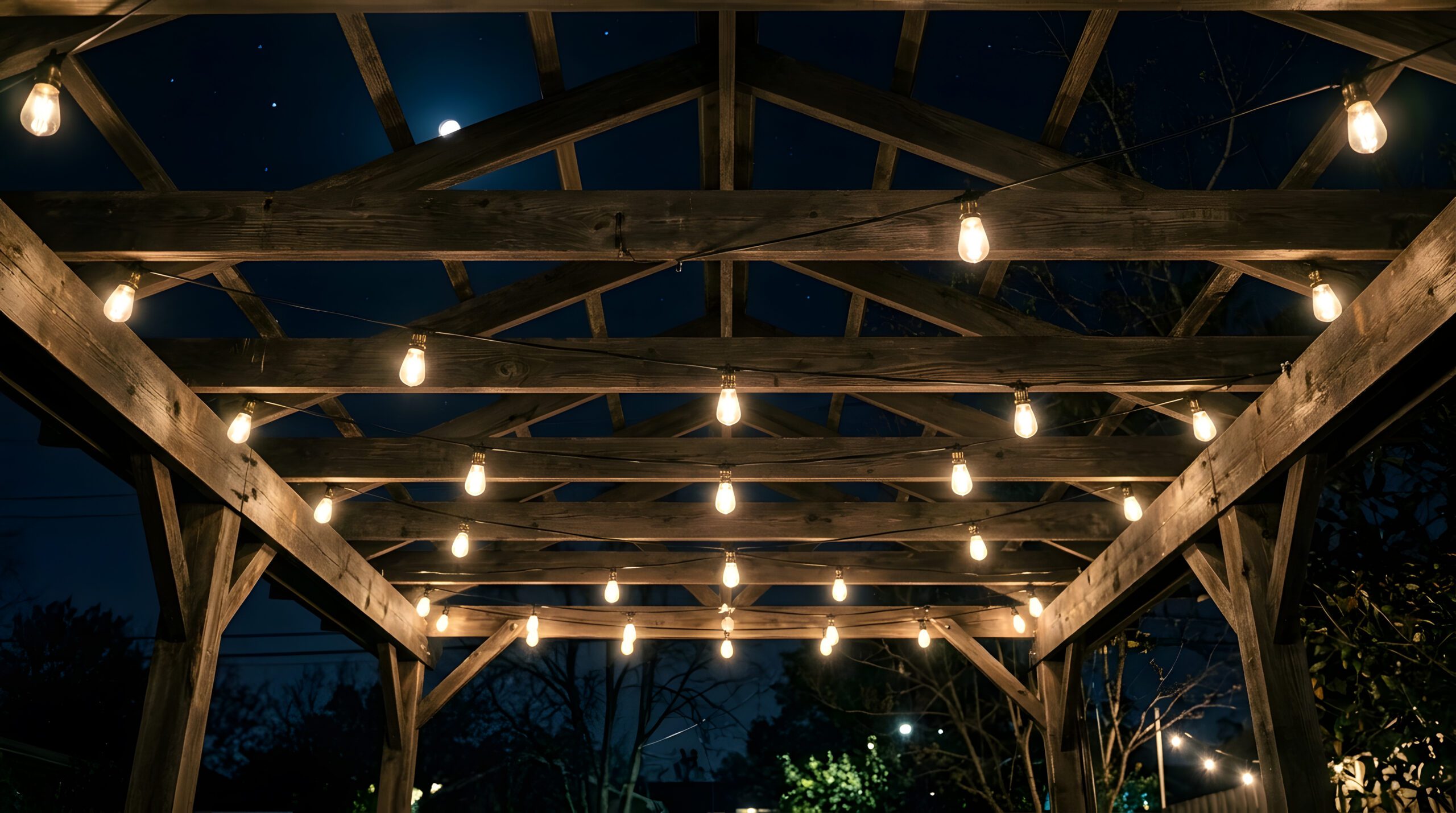
Covered patios, pergolas, and shade structures help manage sun exposure during peak summer months while still allowing for comfortable use in cooler seasons. Fire features, such as fire pits or outdoor fireplaces, add warmth and usability during spring and fall evenings, when temperatures can drop quickly after sunset. Many homeowners explore features like outdoor fireplaces and fire pits to extend seasonal comfort.
Layout plays a critical role here. Designing distinct zones for dining, lounging, and entertaining creates a more intentional and usable space. Instead of a single open area, well-defined zones make the backyard feel larger and more functional.
Popular outdoor living upgrades in Denver often include:
- Covered seating areas that provide relief from intense sun exposure
- Fire features that extend usability into cooler months
- Integrated lighting for evening use and ambiance
These elements work together to create a space that feels like an extension of the home rather than a separate outdoor area.
Climate-Friendly Landscaping That Reduces Water Use
Water-wise landscaping is one of the most important considerations for any Denver backyard renovation. Traditional lawns and high-water plantings are becoming less practical, both environmentally and financially.
Instead, many homeowners are turning to xeriscaping principles, which focus on using drought-tolerant plants and efficient irrigation systems. Native and adaptive plants are particularly well-suited to Denver’s climate, as they require less water and maintenance while still providing visual interest.
Rather than eliminating greenery altogether, the goal is to use it more strategically. Grouping plants with similar water needs, incorporating mulch to retain moisture, and using drip irrigation systems all contribute to a more efficient landscape.
Climate-conscious landscaping strategies often include:
- Native and drought-tolerant plant selections
- Reduced lawn areas in favor of decorative gravel or mulch
- Efficient irrigation systems designed for low water usage
According to the EPA WaterSense program, outdoor water use accounts for nearly 30% of household consumption, making these strategies both environmentally and economically beneficial.
Durable Materials That Withstand Denver Weather
Material selection is one of the most important decisions in any backyard renovation. Denver’s climate can be tough on surfaces, so choosing materials that can handle sun, temperature changes, and moisture fluctuations is essential.
For hardscapes such as patios and walkways, materials like natural stone, concrete pavers, and high-quality composites are popular choices. These materials offer durability and resistance to cracking, fading, and wear. Many homeowners choose professional paver installation to ensure long-term performance and visual appeal.
Wood can still be used effectively, but it requires proper treatment and maintenance. Many homeowners opt for composite decking as an alternative, as it provides a similar appearance with lower maintenance requirements.
When selecting materials, it’s important to consider not just appearance, but long-term performance. Thunderbird Design helps homeowners evaluate options that balance aesthetics with durability, ensuring that the finished space holds up over time.
Smart Layouts That Maximize Usability
A well-designed layout can make even a modest backyard feel spacious and highly functional. In Denver, where outdoor spaces are often used for multiple purposes, thoughtful planning is key.
Zoning is one of the most effective strategies. By creating distinct areas for different activities, homeowners can make better use of their space. For example, a dining area can be positioned closer to the house for convenience, while a lounge area can be placed in a more private or shaded section of the yard.
Flow between these zones is equally important. Pathways, transitions, and visual connections help create a cohesive design that feels intentional rather than fragmented.
In many cases, elevation changes can also be used to advantage. Terraced designs or multi-level patios can add dimension and improve usability, particularly in sloped yards common in parts of Denver. Features like retaining walls can help manage slopes while enhancing design structure.
Functional Features That Add Everyday Value
Beyond aesthetics, the most successful backyard renovations are those that enhance daily living. Functional features can significantly improve how the space is used and enjoyed.
Outdoor kitchens, for example, are becoming increasingly popular, allowing homeowners to cook and entertain without moving between indoor and outdoor spaces. Built-in seating, storage solutions, and integrated lighting also add convenience and usability.
In Denver’s climate, wind protection can also be an important consideration. Strategic placement of walls, plantings, or structures can help create more comfortable outdoor environments.
These features are not just upgrades—they are investments in how the space functions on a daily basis.
Frequently Asked Questions About Backyard Renovations in Denver
What are the best plants for Denver landscaping?
Native and drought-tolerant plants are ideal, as they require less water and adapt well to local conditions.
Is xeriscaping the same as having no grass?
No. Xeriscaping focuses on water efficiency and can still include grass in a limited, strategic way.
What materials last longest in Denver’s climate?
Natural stone, concrete pavers, and composite materials tend to perform well under local conditions.
How can I use my backyard year-round?
Incorporating shade structures, fire features, and lighting can extend usability across seasons.
Do backyard renovations increase home value?
Yes. Well-designed outdoor spaces often provide strong return on investment and enhance overall property appeal.
Creating a backyard that thrives in Denver’s climate requires more than inspiration—it requires a thoughtful approach that balances beauty, durability, and functionality. Thunderbird Design helps homeowners bring these elements together, transforming outdoor spaces into environments that are not only visually appealing but also built to perform. With the right design strategy, your backyard can become a year-round extension of your home, tailored to both your lifestyle and the unique conditions of Colorado’s landscape.