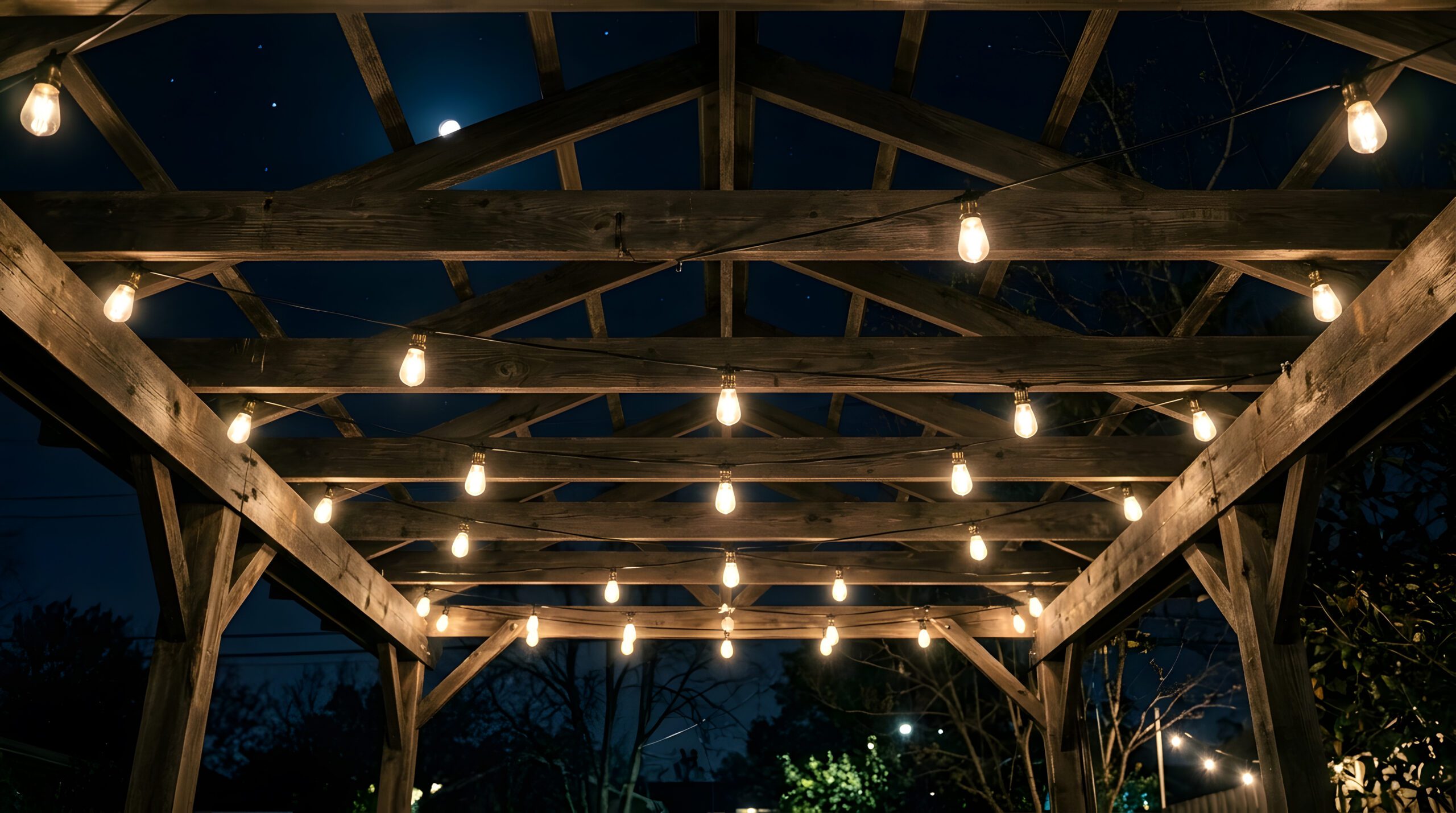
Denver summers are short enough that homeowners who have been putting off a backyard patio project tend to feel the urgency hit all at once in June. When Thunderbird Design works with Denver homeowners on paver patio projects, the most productive conversations happen early in the planning process, before materials are chosen, before budgets are locked, and before the calendar gets complicated by the realities of summer contractor availability.
This guide walks through what Denver homeowners need to know about paver patio installation, from planning and materials to cost expectations and timing, so the decision-making process is grounded in realistic information rather than guesswork.
Why Pavers Are the Most Popular Patio Material in Denver
Concrete pavers have become the dominant choice for Denver backyard patios over the past decade, and the reasons are specific to the conditions Denver homeowners actually deal with rather than general marketing claims about paver quality.
Denver’s freeze-thaw cycle is among the most demanding of any major American city. Temperatures that drop well below freezing in winter and rise into the nineties in summer create the kind of thermal expansion and contraction stress that solid concrete slabs handle poorly over time. Concrete slabs crack, and once a crack develops in a solid slab, the repair options are limited, and the aesthetic result is rarely satisfying.
Pavers handle freeze-thaw stress more effectively because the individual units can move slightly relative to each other without cracking. When a paver settles or shifts, the repair involves resetting that unit rather than patching a crack in a monolithic surface. The repairability of a paver patio is one of its most practical long-term advantages for Denver homeowners who are thinking about the full ownership horizon rather than just the installation year.
The design flexibility of pavers is the other major advantage. Color, pattern, border treatment, and material combinations that would be impossible or impractical in poured concrete are straightforward in pavers, which allows Denver homeowners to create a patio that suits the specific aesthetic of their home and yard rather than settling for the generic appearance of a standard concrete slab. Paver installation services for Denver area homeowners walk through the paver options and design approaches that Thunderbird Design brings to Denver patio projects.
Planning Your Paver Patio: Before You Call a Contractor
The homeowners who end up most satisfied with their patio projects are consistently those who arrive at the contractor conversation with a clear sense of how they want to use the space, even if the specific materials and design details are still open questions.
Thinking through the use cases for your patio before design conversations begin produces better outcomes than trying to figure out the use cases after the design is already taking shape. A patio primarily used for family dining has different sizes, furniture layout, and surface requirements than one primarily used for weekend entertaining with larger groups. A patio that will serve as the primary outdoor living space for a household that spends significant time outdoors has different design priorities than one that will be used occasionally for summer evenings.
Approximate size is worth estimating before the first contractor meeting. A patio that comfortably fits a dining table with six chairs and has room to move around it requires a minimum of around ten by twelve feet, and more space produces a more functional result. Adding a seating area alongside a dining area requires more square footage. A rough sense of the size range you are working toward helps contractors provide more accurate initial cost estimates and allows the design conversation to start from a more informed position.
Budget range is the other input that makes early planning conversations more productive. Paver patio costs in Denver vary significantly based on patio size, material selection, site conditions, and design complexity. Having a realistic budget range in mind before contractor conversations begin allows both parties to focus on solutions that are actually achievable rather than designing something that will not survive the estimate.
Paver Material Options for Denver Patios
The paver market offers a range of material options that vary in appearance, durability, cost, and maintenance requirements, and understanding the primary categories helps Denver homeowners make material decisions that align with their design goals and budget.
Concrete pavers are the most widely used material for Denver residential patios and offer the broadest range of color, size, and texture options at price points that suit most residential budgets. Quality varies between manufacturers, and pavers produced for the Denver climate with adequate density and low water absorption perform significantly better through freeze-thaw cycles than pavers manufactured to less demanding specifications.
Natural stone pavers, including flagstone, travertine, and bluestone, provide a distinctive appearance that manufactured pavers approximate but do not fully replicate, and they carry a price premium that reflects both material cost and the additional labor involved in working with irregular natural stone. For Denver homeowners who want the specific aesthetic of natural stone and have a budget that accommodates it, the result is a patio surface that develops character over time in ways that manufactured pavers do not.
Porcelain pavers are a newer option gaining traction in Denver outdoor applications. Their low porosity makes them highly resistant to staining and moisture absorption, which is a practical advantage in a climate with winter moisture and freeze-thaw stress. They require a more precise installation than concrete pavers and are less forgiving of the ground movement that Denver’s clay soil produces, which is a trade-off worth understanding before selecting them for a site with significant soil instability. Stone patios and hardscape design options cover the natural stone patio options available through Thunderbird Design for Denver homeowners who want the character of natural material.
Base Preparation: Why It Determines Long-Term Patio Performance
The visible surface of a paver patio gets most of the attention in design conversations, but the base preparation beneath the pavers determines whether the surface performs well over time or develops the settling, shifting, and drainage problems that poorly installed patios develop within a few years.
Denver’s clay soil is the primary base preparation challenge for local patio installations. Clay soil expands significantly when wet and contracts when dry, producing ground movement that directly affects the paver surface above. Adequate excavation depth to remove clay from the load-bearing zone beneath the patio, replacement with compactable aggregate base material, and thorough mechanical compaction of that base in lifts are the preparation steps that give a paver patio its long-term stability in Denver’s soil conditions.
Drainage is the other base preparation consideration that affects long-term performance. A patio base that allows water to drain away from the patio area prevents the moisture accumulation that accelerates clay soil movement and the freeze-thaw damage that follows. A proper grade on the patio surface itself, sloping away from the house foundation at a minimum rate that moves water effectively, is a design requirement that affects both the patio’s drainage performance and the protection of the foundation it sits adjacent to.
Cutting corners on base preparation is one of the most consistent sources of patio installation problems that Thunderbird Design encounters when assessing work done by previous contractors. A properly prepared base adds time and material cost to the project, but it is the investment that determines whether the patio surface above it performs well for decades or requires remediation within a few years. Landscape design services for Denver homeowners cover the design and planning process that ensures patio projects are planned correctly from the ground up.
Paver Patio Cost Factors in Denver
Paver patio costs in Denver vary enough that general price estimates without project-specific context are of limited value, but understanding the primary cost drivers helps homeowners develop realistic budget expectations before contractor conversations begin.
Patio size is the most direct cost driver because labor and materials both scale with square footage. Larger patios cost more in absolute terms, though the cost per square foot often decreases somewhat as project size increases because mobilization and setup costs are spread across more square footage.
Material selection affects cost significantly. Standard concrete pavers in common sizes and colors are the most cost-effective surface material. Premium concrete pavers with more complex profiles or specialized finishes cost more. Natural stone is typically the most expensive surface option, with cost varying by stone type and the complexity of the layout.
Site conditions affect the base preparation cost in ways that are specific to each property. Significant clay soil that requires deep excavation and substantial aggregate replacement costs more to prepare than a site with better native soil. A site with existing concrete or hardscape that must be removed before the new patio can be installed adds to the demolition cost. Slopes that require retaining walls or significant grading to create a usable level patio area add cost beyond the patio installation itself.
Design complexity affects labor cost. A simple rectangular patio in a running bond pattern installs faster and requires less skilled layout work than a patio with multiple pattern changes, curved edges, border courses in contrasting materials, or integration with steps and retaining walls. Retaining walls for Denver landscape projects cover the retaining wall options that are often part of patio projects on sloped Denver properties.
Summer Project Timeline: What to Expect
Summer is peak season for patio installation in Denver, and the calendar reality is that established contractors with strong reputations are typically booked several weeks to months out during the summer months. Homeowners who begin the contractor conversation in June, expecting installation within two to three weeks, often discover that the contractors they want to work with are not available on that timeline.
The typical project timeline from initial contractor contact to completed installation involves an initial site visit and design consultation, a proposal and design revision process, contract execution, material ordering and delivery lead time, and the installation itself. For a straightforward patio project with a clear scope and readily available materials, this full sequence typically takes four to eight weeks, minimum, from the first conversation to completed installation with an established contractor.
For homeowners who want a patio ready for the full summer season, beginning contractor conversations in April or May produces better results than starting in July and discovering that summer availability is committed. Thunderbird Design’s project portfolio shows completed patio and hardscape projects that give Denver homeowners a realistic picture of what professional installation looks like.
Frequently Asked Questions About Paver Patio Installation in Denver
How long does a paver patio installation take once work begins?
Most residential paver patio installations in Denver take between three and seven days of active work, depending on the patio size, site conditions, and design complexity. Base preparation typically takes one to two days. Paver installation follows over one to three days, depending on the pattern and layout complexity. Finishing work, including joint sanding, installation, edging, and cleanup, completes the project. Weather delays are a realistic possibility during Denver’s unpredictable summer, and most contractors build some weather buffer into project scheduling.
Do paver patios require a permit in Denver?
Permit requirements for paver patios in Denver depend on the project scope and location on the property. Standard patio installations that do not involve structural elements typically do not require a permit, but projects that include retaining walls above a certain height, drainage modifications, or structures attached to the home may require permits depending on the specific work involved. A reputable contractor will identify any permit requirements for your specific project during the planning phase and handle the permit process on your behalf.
How do Denver’s clay soils affect paver patio longevity?
Denver’s clay soils present a real challenge for paver patios because clay expands and contracts significantly with moisture changes, creating ground movement that affects the paver surface above. Proper base preparation that removes clay from the load-bearing zone beneath the patio and replaces it with compactable aggregate base material is the standard approach for managing this challenge. A patio installed with adequate base preparation on Denver clay soil can perform well for decades. One installed with inadequate base preparation on clay will develop settling and shifting problems relatively quickly, regardless of the quality of the pavers themselves.
What maintenance do paver patios require in Denver?
Paver patios are relatively low-maintenance compared to most other outdoor surface options. Periodic joint sand replenishment as the original sand settles or washes out over time, is the most routine maintenance task. Sealing the paver surface every few years protects the color and surface integrity and makes the surface easier to clean. Spot repairs involving resetting individual pavers that have settled or shifted are straightforward and do not require replacing the entire patio. Keeping the patio surface clean of debris and organic material that can stain the surface reduces maintenance demands over time.
Can a paver patio be expanded after it is initially installed?
Yes, paver patios can be expanded by removing the edge restraint on the side where the expansion will occur, installing additional base, and extending the paver pattern into the new area. Matching the existing pavers can sometimes be challenging if the original product line has been discontinued, which is worth keeping in mind if expansion is a possibility when selecting pavers for the initial project. Choosing a paver product from a manufacturer with a stable product line reduces the matching challenge if expansion is planned. Areas served by Thunderbird Design across the Denver metro covers the service area where Thunderbird Design installs paver patios and hardscape projects.
How do I find a reliable paver patio contractor in Denver?
Look for contractors with documented local experience, verifiable references from similar projects in Denver, appropriate licensing and insurance, and a clear written proposal that specifies materials, base preparation approach, and project timeline. Contractors who are willing to discuss their base preparation approach in detail demonstrate the technical knowledge that distinguishes quality installation from work that looks acceptable initially but performs poorly over time. Visiting completed projects in person is one of the most reliable ways to assess a contractor’s actual work quality before committing.
Start Your Denver Patio Project This Summer
A well-planned paver patio adds outdoor living space that Denver homeowners use from May through October, and that adds lasting value to the property. Contact Thunderbird Design at (720) 748-2163 or request a quote online to start the planning conversation for your Denver patio project.