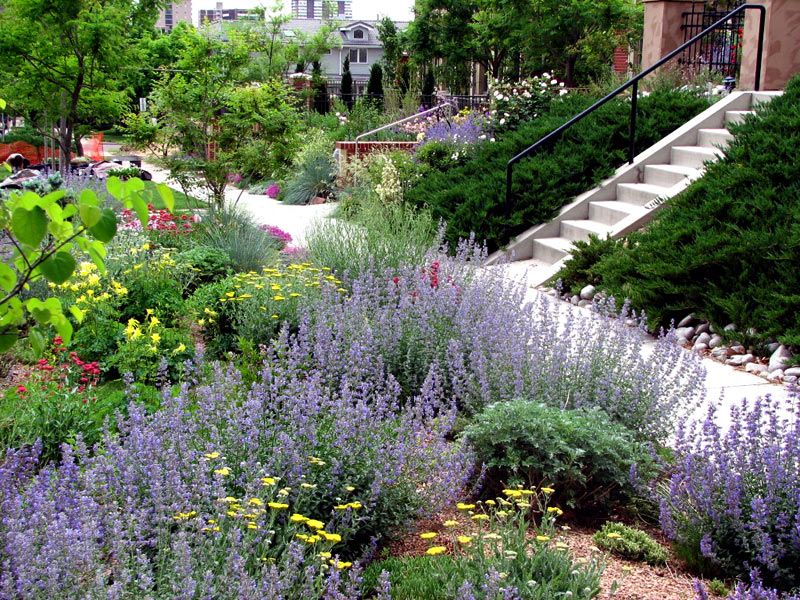
uilding a new home is an exciting process, but landscaping is often one of the most overlooked parts of the project. Many homeowners wait until construction is finished before thinking about their outdoor space, only to realize later that proper planning should have started much earlier.
In Colorado, new construction landscape installation requires thoughtful coordination, correct sequencing, and an understanding of local climate and soil conditions. When done right, landscaping completes the home and creates outdoor spaces that are functional, durable, and enjoyable for years to come.
Why Landscaping Should Be Planned Early in New Construction
One of the most common mistakes homeowners make is treating landscaping as an afterthought. Landscaping is not just about plants and patios. It involves grading, drainage, hardscape foundations, irrigation planning, and proper installation timing.
Planning early allows:
- Proper drainage and grading to be addressed before issues arise
- Utilities to be routed correctly for outdoor kitchens, lighting, and irrigation
- Hardscape elements to be built on stable foundations
- Planting and sod to establish correctly
Early planning also helps avoid costly rework once construction is complete.
What Makes New Construction Landscaping Different
New construction properties often start with bare soil, compacted ground, and unfinished grades. Unlike existing homes, there is no established landscape to work around. This creates both challenges and opportunities.
New construction landscaping often includes:
- Regrading to ensure proper water flow away from the home
- Installation of retaining walls or drainage solutions
- Building patios and outdoor living areas from the ground up
- Coordinating irrigation and planting for long-term success
Because everything is being built from scratch, correct sequencing is critical.
The Landscape Installation Process for New Homes
A professional landscape installation follows a structured process designed to prevent issues and ensure lasting results.
Site Preparation
The process begins with evaluating the existing conditions. This includes demolition if needed, grading the property for drainage, and excavating areas for hardscape foundations and utility trenches.
Hardscape Installation
Before any planting occurs, hardscape elements such as patios, retaining walls, and structural features are installed. Utilities for outdoor kitchens, lighting, and irrigation are routed before base materials are placed. Proper foundations and road base are essential for long-term durability.
Softscape Installation
Once hardscape is complete, planting areas are prepared. Soil is amended, irrigation systems are installed, and plant materials are placed strategically. Mulch or rock is added to planting beds, and sod is installed last to minimize damage.
Final Walkthrough and Closeout
The final step includes testing irrigation coverage, programming controllers, cleaning the site, and completing a walkthrough with the homeowner to ensure everything meets expectations.
Common Landscaping Mistakes in New Construction Homes
Many landscaping problems stem from rushing the process or cutting corners. Some of the most common issues include:
- Poor grading that leads to drainage problems
- Installing plants before hardscape is complete
- Skipping proper base preparation under patios
- Choosing plants not suited for Colorado conditions
- Delaying irrigation planning until after planting
Avoiding these mistakes requires experience and a well-defined process.
Why Full-Service Landscape Installation Matters
New construction landscaping often involves multiple elements working together. Hiring different contractors for each piece can lead to miscommunication, delays, and inconsistent results.
A full-service landscape installation approach means:
- One team managing the entire project
- Proper sequencing from start to finish
- Clear communication throughout the process
- Fewer delays and fewer mistakes
This approach reduces stress for homeowners and leads to better long-term outcomes.
Designing Outdoor Spaces That Match the Home
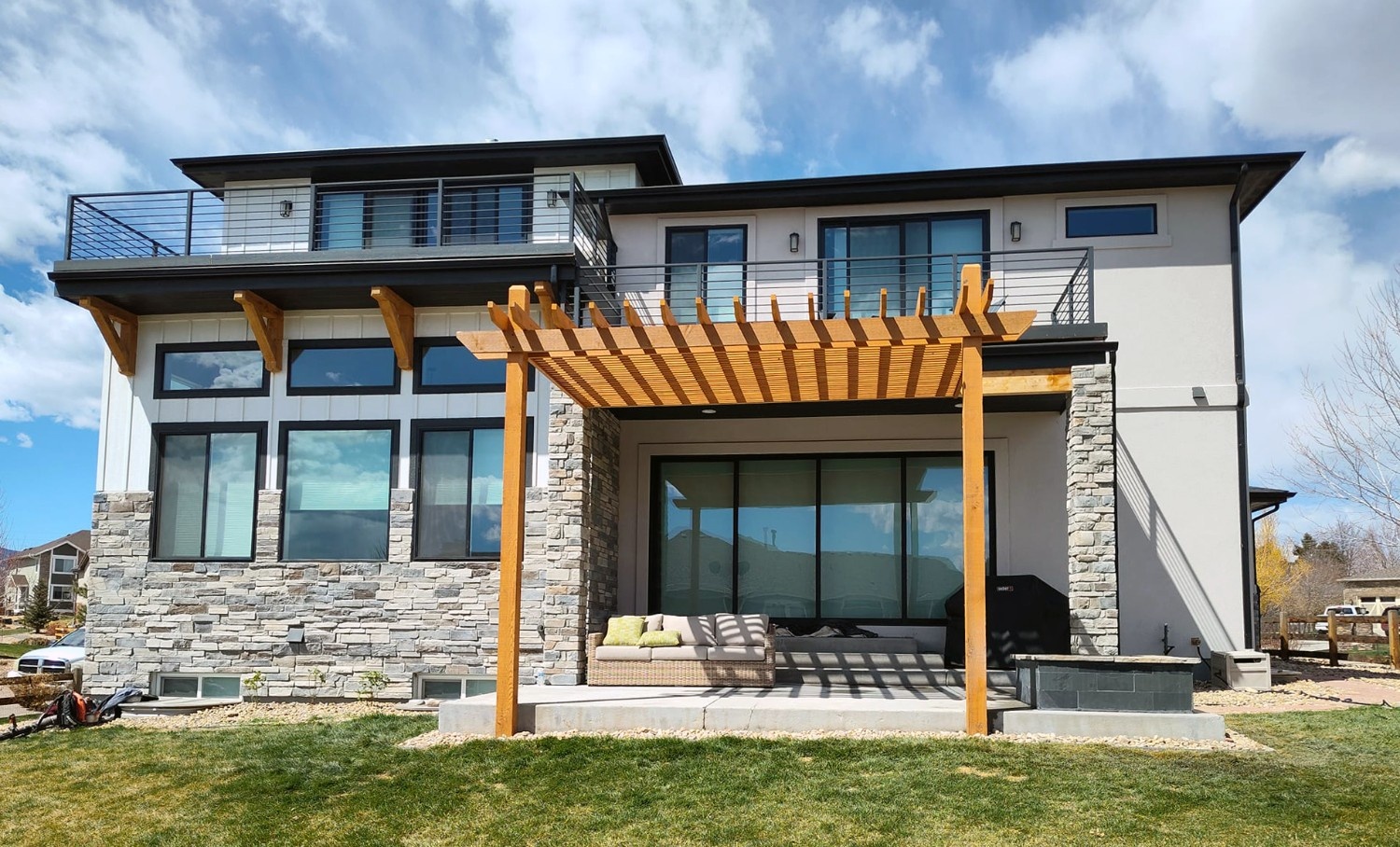
New construction homes offer a unique opportunity to design outdoor spaces that feel intentional and cohesive. Landscaping should complement the architecture of the home and support how the space will be used.
This may include:
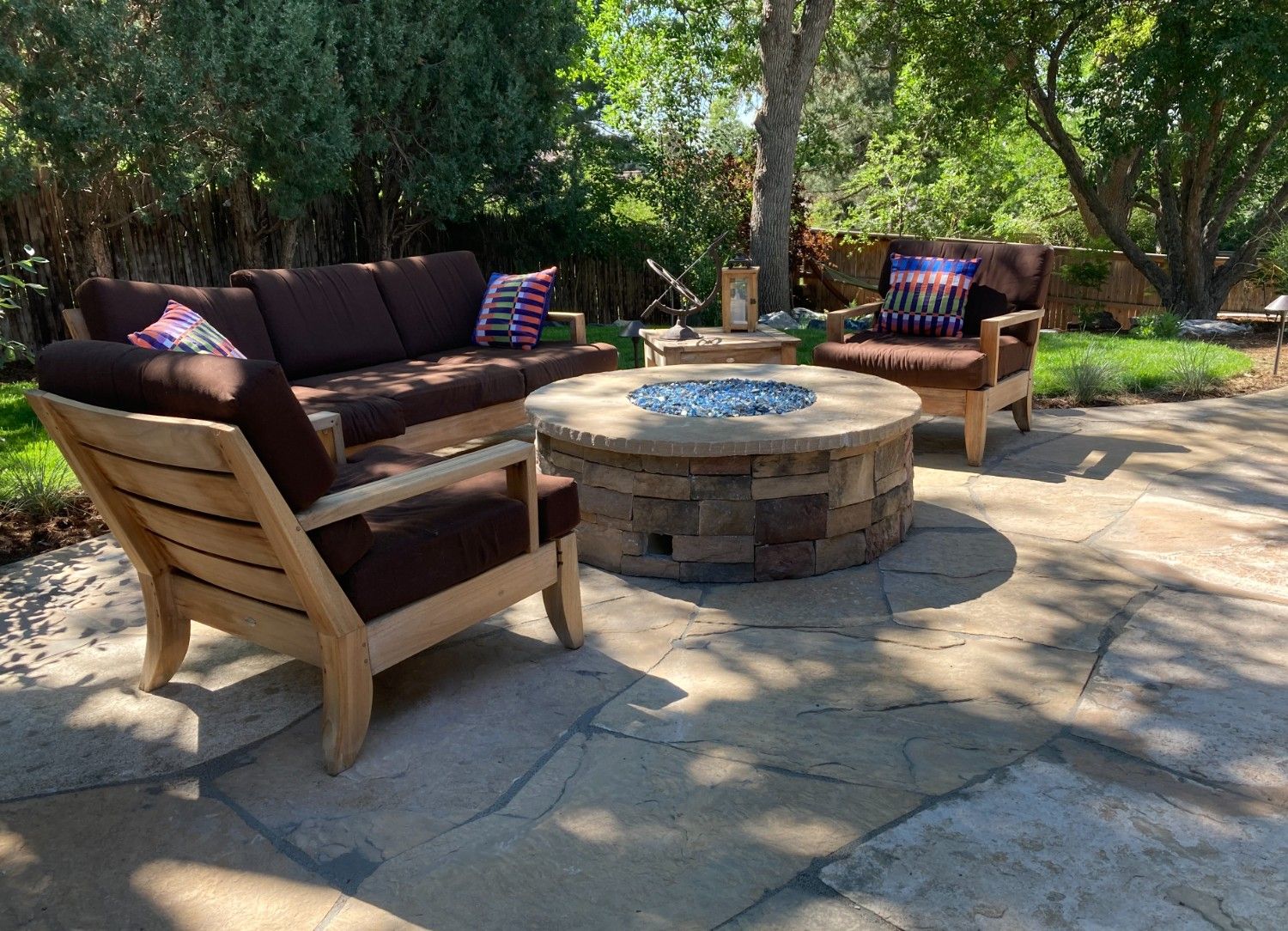
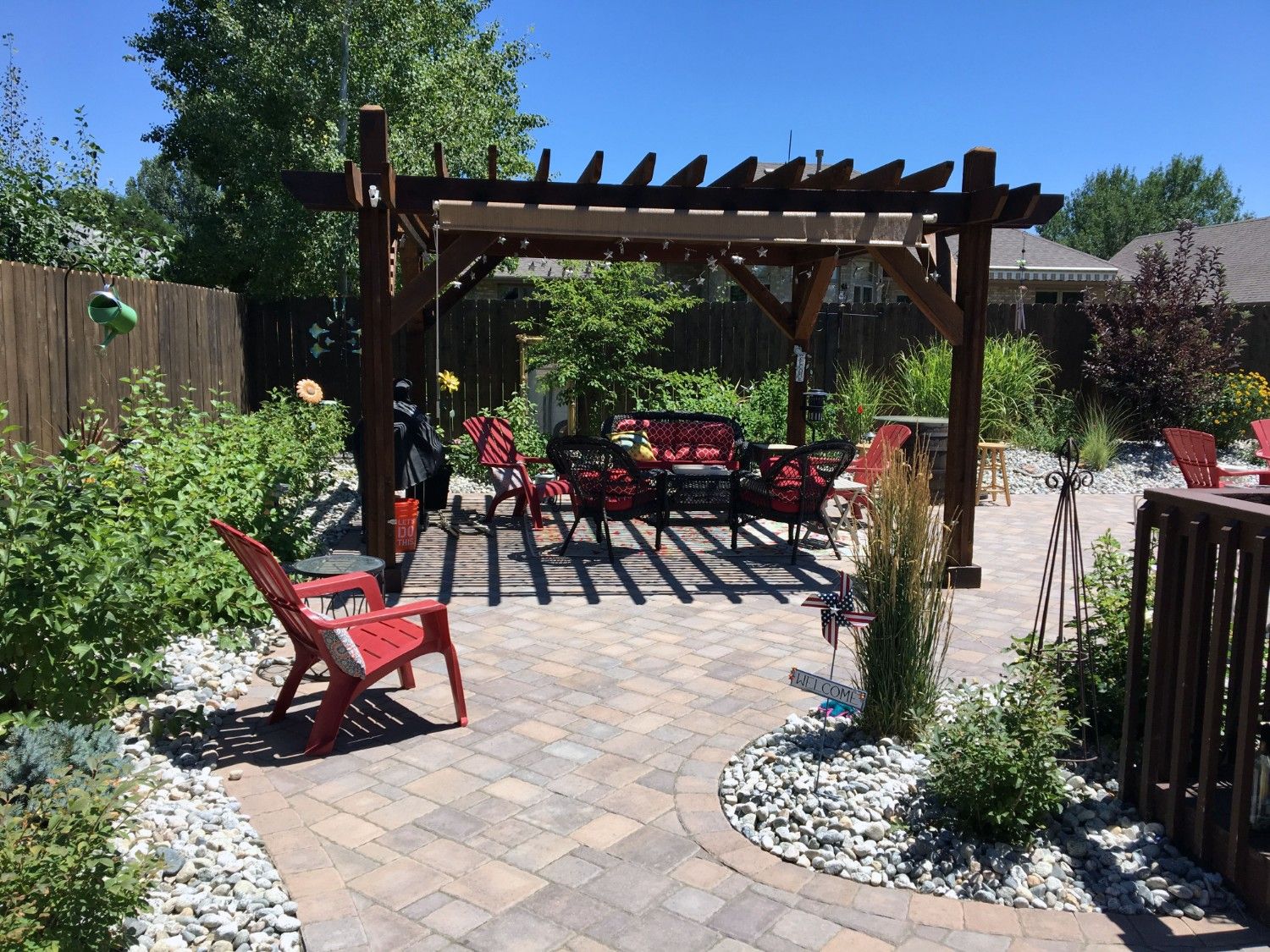
- Patios designed for entertaining
- Firepits or outdoor kitchens for gathering
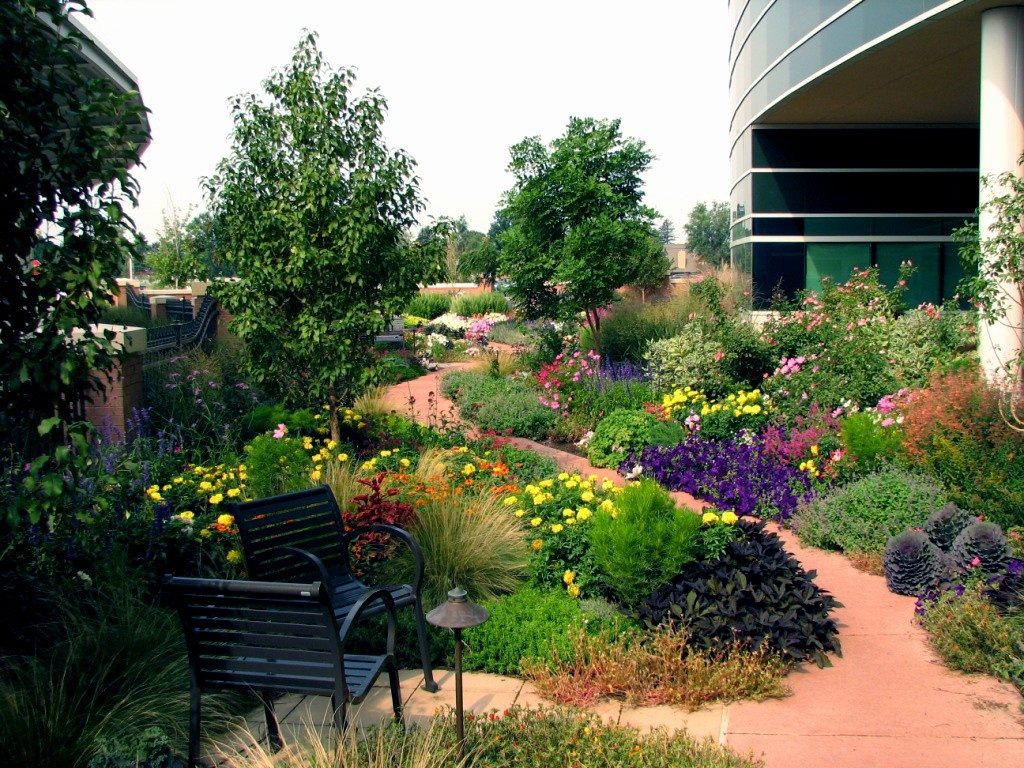
- Planting plans that provide seasonal interest
- Water-wise solutions that reduce maintenance
When landscaping is planned alongside the home, the result feels complete rather than added on.
When Should You Start Planning Landscape Installation
Ideally, landscape planning should begin while the home is still under construction. Early involvement allows time for design, budgeting, and coordination with builders.
Homeowners should consider reaching out:
- Before final grading is complete
- Before utilities are permanently placed
- Before patios and outdoor structures are scheduled
The earlier the planning starts, the smoother the installation process will be.