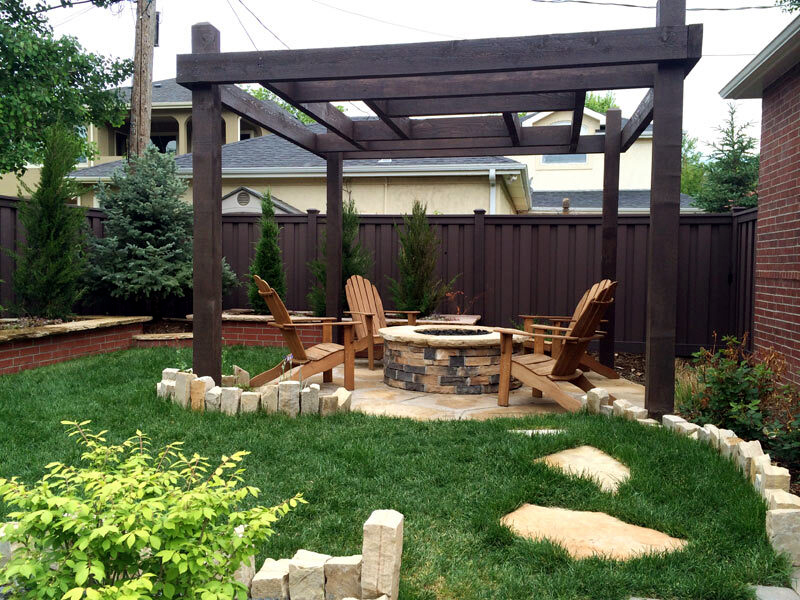
One of the first questions homeowners ask when planning a landscape project is how long the installation will take. The answer depends on several factors, including project size, scope, weather conditions, and property layout.
In Colorado, landscape installation timelines are influenced by climate, soil conditions, and seasonal constraints. Understanding what affects the schedule helps homeowners set realistic expectations and avoid frustration during the process.
What Is Considered a Full Landscape Installation?
A full landscape installation typically includes multiple phases working together as one cohesive project. This may involve grading, hardscaping, irrigation, planting, and finishing elements.
Common components of a full installation include:
- Site preparation and grading
- Hardscape construction such as patios or retaining walls
- Irrigation system installation
- Planting and sod
- Final cleanup and walkthrough
Because these elements must be completed in the correct order, timelines are influenced by proper sequencing.
Average Timeline for a Full Landscape Installation
While every project is different, most full landscape installations in Colorado fall within a general timeframe.
Small to mid-sized projects may take:
- Two to four weeks depending on complexity
Larger or more complex projects may take:
- Four to eight weeks or longer
Projects that include multiple hardscape features, elevation changes, or detailed outdoor living spaces often require additional time to ensure quality results.
Key Factors That Affect Installation Timelines
Several factors can impact how long a landscape installation takes.
Project Scope and Complexity
The more elements included, the longer the timeline. A project that includes patios, retaining walls, irrigation, planting, and lighting will take longer than a simple planting or turf installation.
Site Conditions
Soil quality, slope, drainage issues, and existing conditions all affect installation time. Properties that require regrading or structural work typically need additional preparation.
Weather Conditions
Colorado weather plays a major role in scheduling. Rain, snow, freezing temperatures, or extreme heat can delay certain phases of installation.
Material Availability
Some materials require lead time, especially specialty pavers, stone, or custom features. Planning ahead helps reduce delays related to material sourcing.
Why Proper Sequencing Matters
Landscape installation is not something that should be rushed. Each phase depends on the one before it.
For example:
- Hardscape must be installed before planting
- Irrigation lines must be placed before sod or mulch
- Grading must be completed before patios or walls
Skipping steps or rushing the process often leads to problems that require costly fixes later.
Seasonal Timing in Colorado
The best time for landscape installation in Colorado is typically during the warmer months when ground conditions allow for excavation and planting.
Spring and summer are popular seasons, which can affect scheduling availability. Fall installations are also possible and often ideal for planting.
Winter installations may be limited due to frozen ground and weather conditions, especially for hardscape work.
How Planning Ahead Can Reduce Delays
Homeowners who plan early often experience smoother projects and shorter overall timelines.
Early planning allows for:
- Design finalization before construction begins
- Proper coordination with builders on new construction homes
- Ordering materials in advance
- Scheduling installation during optimal weather windows
Starting the conversation early helps avoid last-minute decisions that slow progress.
Why Full-Service Installation Improves Efficiency
Working with one team that manages the entire project can significantly improve efficiency. Full-service landscape installation reduces miscommunication and ensures that each phase is completed in the correct order.
Benefits include:
- Fewer scheduling conflicts
- Consistent oversight
- Faster issue resolution
- Higher quality results
This approach often saves time compared to coordinating multiple contractors.
Setting Realistic Expectations
While timelines are important, quality should always come first. A well-executed landscape installation is an investment meant to last for years.
Clear communication, proper planning, and experienced installation help ensure that the finished landscape meets expectations without unnecessary delays.