An outdoor living space should be more than something that looks good from inside the house. The most successful outdoor spaces are designed around how people actually live, gather, and relax.
Many homeowners invest in patios or outdoor features only to find they rarely use them. The difference usually comes down to planning, layout, and understanding how the space will function day to day.
Start With How You Want to Use the Space
Before choosing materials or features, it is important to think about how you want to use your outdoor space. Design should support real behavior, not just appearance.
Ask yourself:
- Will this space be used for entertaining or quiet relaxation
- How many people do you expect to host
- Will you use the space during the day, evenings, or both
- Do you want to cook, dine, lounge, or all three
Clear answers help guide layout and feature selection.
Define Zones for Different Activities
Outdoor living spaces work best when they are divided into functional zones. Just like inside a home, outdoor areas benefit from clear organization.
Common outdoor zones include:
- Dining areas near outdoor kitchens or grills
- Seating areas around firepits or fireplaces
- Open patio space for movement and flexibility
- Quiet corners for reading or relaxing
Defining zones helps prevent overcrowding and makes the space feel intentional.
Choose the Right Size and Layout
One of the most common design mistakes is building a space that is either too small or awkwardly shaped. Furniture, walkways, and gathering areas all need room to function comfortably.
A well-designed layout considers:
- Space for furniture and movement
- Clear paths between zones
- Comfortable distances between seating areas
- Proper scale relative to the home and yard
Working with a professional designer helps avoid layouts that feel cramped or underutilized.
Plan for Shade and Comfort
Comfort is one of the biggest factors in whether an outdoor space gets used regularly. Without shade or protection from the elements, even the most beautiful space may go unused.
Comfort features to consider include:
- Pergolas or arbors for partial shade
- Covered areas for sun or light rain protection
- Firepits or heaters for cooler evenings
- Wind protection in exposed areas
Designing for comfort extends the usability of the space throughout the year.
Integrate Cooking and Dining Thoughtfully
Outdoor kitchens and dining areas should be placed where they make sense, not added as an afterthought. Proximity to the house, traffic flow, and seating arrangements all matter.
Effective outdoor kitchen design includes:
- Logical placement near dining areas
- Adequate counter and prep space
- Storage for cooking tools
- Clear separation from lounging zones
A well-planned kitchen encourages more frequent use and easier entertaining.
Think About Lighting Early
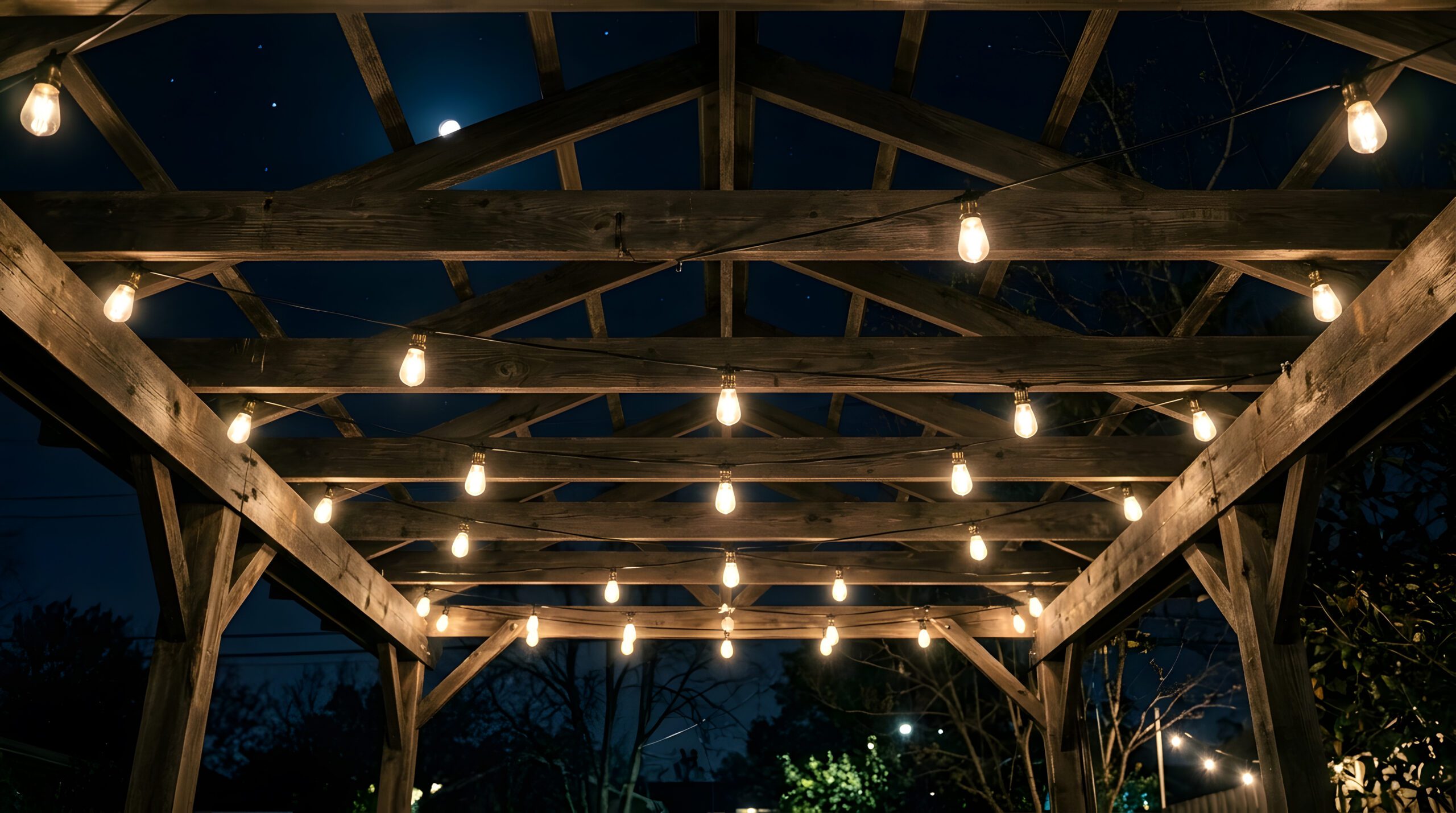
Lighting is often overlooked until the end of a project, but it plays a major role in how an outdoor space feels and functions at night.
Good landscape lighting:
- Improves safety and visibility
- Highlights key features
- Creates ambiance in seating and dining areas
- Extends the usable hours of the space
Planning lighting early ensures it integrates seamlessly with the design.
Balance Materials and Maintenance
Outdoor living spaces should fit your maintenance preferences as much as your style. Choosing materials that align with how much upkeep you want helps ensure long-term enjoyment.
Consider:
- Paver or stone patios for durability
- Low-maintenance planting or xeriscaping
- Artificial turf in high-traffic areas
- Finishes that age well over time
A balanced approach keeps the space enjoyable rather than overwhelming.
Design for the Colorado Climate
Colorado weather plays a major role in how outdoor spaces are used. Temperature swings, sun exposure, and seasonal changes should all influence design decisions.
Designing with the climate in mind helps ensure:
- Materials perform well over time
- Plants thrive in local conditions
- Outdoor spaces remain comfortable
- Maintenance stays manageable
A landscape designed for Colorado conditions will always outperform one that is not.
Why Professional Design Makes a Difference
While inspiration photos are helpful, translating ideas into a functional outdoor space requires experience. Professional landscape designers understand how to balance layout, materials, and sequencing.
Working with a full-service landscape installation team ensures:
- Proper planning from the start
- Coordinated construction and installation
- Fewer design compromises
- A finished space that works as intended
This often makes the difference between a space that looks nice and one that gets used daily.